
Tiny Homes for Sale – Affordable Living, Modern Design
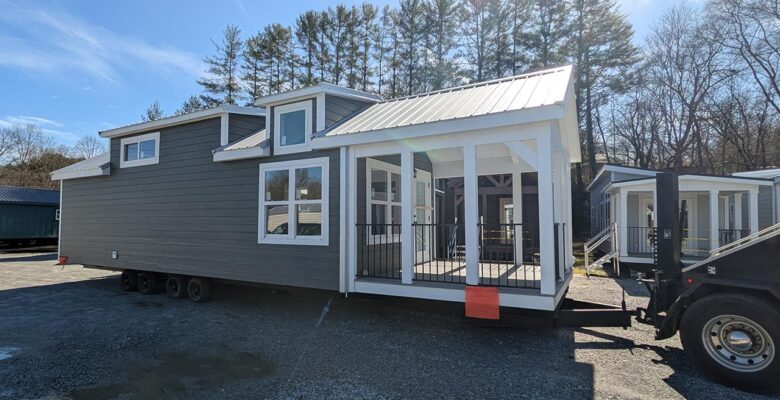
Delivery & Setup
Purchasing a mobile tiny home is an exciting step toward affordable and flexible living. However, one of the most important parts of the process happens after the home is built — delivery and setup. Proper transportation, site preparation, and installation ensure that your tiny home is placed safely and functions correctly for long-term living.
This guide explains every step involved in delivering and setting up a mobile tiny home, from site preparation to final inspection, so you know exactly what to expect.
Quick Process Overview
- Is the home allowed on your property? Zoning is a key consideration that determines where a tiny home can be placed.
- Can we deliver to your property? We perform a “Lot Check” to confirm delivery is possible and provide a formal estimate.
- Complete site preparation. We guide you through every phase and can offer support services for site prep where needed.
- Transport & Setup. Every move is meticulously planned using the right equipment to ensure a seamless installation.
Note: Delivery & setup is an additional cost beyond the price of the home. Speak with a sales specialist to determine your specific needs.
Preparing the Installation Site
Before delivery can occur, the installation site must be properly prepared. Proper site preparation ensures the home can be safely positioned and connected to utilities.
Land Preparation
- Remove vegetation or debris
- Level uneven terrain
- Compact soil for stability
Access Planning
- Road width and turning radius
- Clearance from trees and power lines
- Driveway strength and accessibility
Foundation or Parking Pad
- Gravel pad
- Concrete pad
- Foundation blocks or pier supports
Zoning Check
- Verify tiny homes are permitted on your land
- Check local zoning ordinances
- Review permit requirements
Transportation to the Property
Once the tiny home is completed and the site is prepared, transportation is scheduled. Because the home is built on a trailer frame, it can often be towed directly to the property.
Tiny homes are typically delivered using heavy-duty pickup trucks, flatbed trucks, or specialized towing vehicles. Transport companies carefully plan the route to avoid:
- Low bridges and overhead obstructions
- Narrow roadways and sharp turns
- Weight-restricted roads
Permits may be required depending on the size of the home and local regulations. Delivery distance, route complexity, and permit requirements can all influence transportation costs.
Arrival and Positioning
When the tiny home arrives at the property, professional installers carefully position it on the prepared site.
Initial Placement
The home is slowly maneuvered into the exact location on the property.
Leveling
Once positioned, the home is leveled using adjustable trailer jacks, foundation blocks, and stabilizing supports. Proper leveling ensures doors close correctly, appliances function as intended, and structural stress is minimized.
Stabilization
After leveling, stabilizers are installed to prevent movement. Common stabilization methods include wheel chocks, trailer anchors, and support piers under the frame.
Utility Connections
After the home is positioned and stabilized, it must be connected to essential utilities to function like a traditional residence.
⚡ Electrical
- Residential electrical service
- RV-style electrical pedestal
- Off-grid solar systems
- Licensed electrician may be required
🚶 Water Supply
- Municipal water lines
- Private well systems
- Water storage tanks (off-grid)
♿ Wastewater & Sewer
- Municipal sewer lines
- Septic systems
- Composting or alternative systems
📶 Internet & Communications
- Internet service connection
- Cable television
- Security systems
Exterior Setup & Access
Entry Steps or Porch
Because tiny homes sit slightly elevated on trailers, entry steps are installed for safe access. Some homeowners choose to add small wooden porches, deck extensions, or outdoor seating areas to improve accessibility and outdoor living space.
Skirting Installation
Skirting is often installed around the base of the trailer to improve appearance, protect plumbing lines, reduce cold air under the home, and improve insulation efficiency. Skirting materials may include wood, metal panels, or composite materials.
Interior System Checks
Before moving in, all interior systems should be inspected and tested to ensure everything functions properly after transportation.
- Electrical outlets and lighting
- Plumbing fixtures and water pressure
- Water heater operation
- Heating and cooling systems
- Kitchen appliances
Final Inspection & Move-In
Some jurisdictions require a formal inspection before the home can be occupied. Local building authorities determine whether inspections are required based on regional regulations. These inspections may review:
- Electrical safety
- Plumbing systems
- Structural stability
- Zoning compliance
Once approved, the home is ready for occupancy.
Typical Delivery Timeline
In many cases, homeowners can move in within a few days of delivery.
| Stage | Typical Duration |
|---|---|
| Site preparation | 1–2 weeks depending on land conditions |
| Transportation scheduling | A few days to several weeks |
| Delivery and positioning | 1 day |
| Utility connections | 1–2 days |
| Final inspections and setup | 1–3 days |
Factors That Affect Delivery & Setup
Several factors can influence the complexity and cost of the delivery process. Planning for these in advance helps ensure a smoother installation.
Distance From Builder
Long-distance transport increases cost and logistics planning requirements.
Property Accessibility
Remote locations may require specialized equipment or route adjustments.
Utility Availability
Properties without existing utilities may require additional infrastructure installation.
Local Regulations
Zoning rules can affect where and how tiny homes may be legally installed.
Benefits of Factory-Built Delivery
The factory-built approach used for tiny homes offers several advantages compared to traditional on-site housing construction. Most tiny homes arrive 90–100% complete, meaning very little additional work is required on delivery day.
- Shorter build timelines
- Higher quality control in controlled environment
- Reduced on-site construction labor
- Faster move-in compared to traditional housing
- Reduced weather exposure during construction
A Simple Final Step Toward Homeownership
The delivery and setup process is the final stage in the journey to owning a mobile tiny home. With proper planning, professional transportation, and careful installation, the process is typically straightforward and efficient.
Once completed, you can immediately begin enjoying the advantages of tiny living — lower housing costs, a simplified lifestyle, and the flexibility to relocate if desired.
Ready to take the next step?
View Path to Purchase